Premiums climb, doors narrow - and what still works
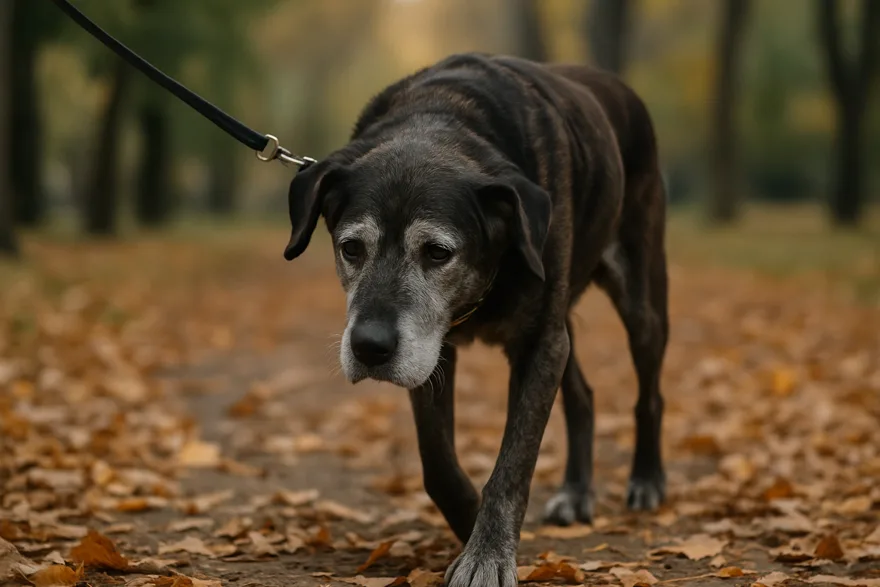
By the senior years premiums climb steeply and some insurers restrict new enrollment - while anything already diagnosed stays excluded. The options that remain for Victoria families are still worth pricing.
Dog owners in Victoria benchmark against a Canadian average of $1,176 a year (about $98 a month) for accident-and-illness coverage, with cats at $601 - premiums move with breed and age far more than with the town itself.
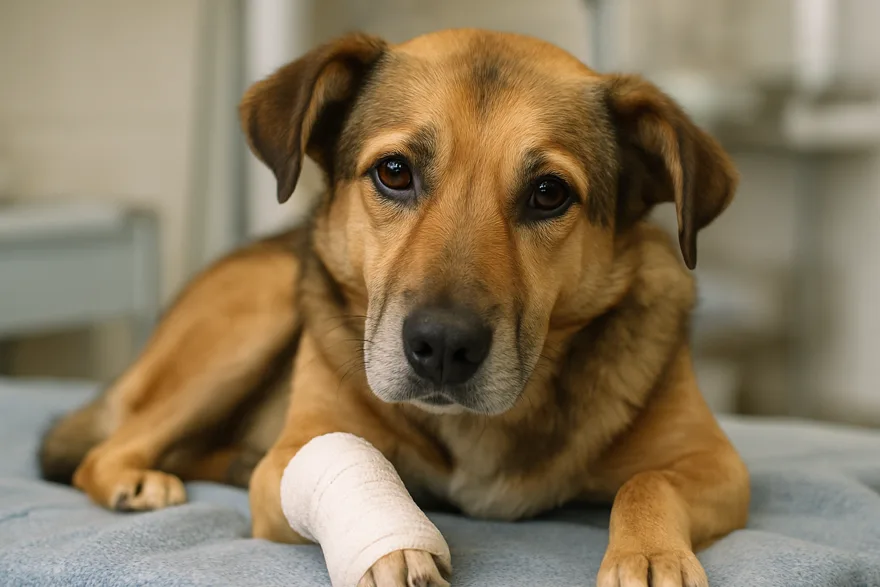
A single emergency surgery commonly bills $2,060-$5,600 in Canadian veterinary care, and vet costs have been rising faster than general inflation - the honest question for Victoria owners is whether that bill breaks the budget.
Victoria, Newfoundland and Labrador has about 1,658 residents, and pet premiums there are priced by species, breed and age - dogs averaging $1,176 a year nationally - not by the town itself.
Insuring an older pet is a race against the medical record: premiums climb steeply with age and anything already diagnosed stays excluded. The options that remain are still worth pricing honestly.
For senior pets the honest comparison widens: a higher-deductible policy, accident-only coverage, or a dedicated savings account each fit different budgets - what matters is picking one before the next diagnosis.



The Canadian numbers
| Coverage | Canadian average (industry data, CAD) | The catch to price in |
|---|---|---|
| Dog - accident & illness | $1,176/yr (about $98/mo) | Premiums climb with age; breed moves the number more than the town |
| Cat - accident & illness | $601/yr (about $50/mo) | Illness, not accidents, drives most cat claims |
| Typical plan structure | 70/80/90% reimbursement after a $0-$1,000 deductible | The annual cap is the quiet weak link in cheap policies |
| Waiting periods | accidents ~2-15 days; illness ~14 days; some conditions longer | A condition that appears during a wait counts as pre-existing |
| Provincial premium tax | 0-9%% retail tax depending on province | Ontario, Quebec, Saskatchewan and Manitoba add it right on the premium - see below |
Price senior-pet options both ways before deciding
An honest starting point: a free online quote you can complete in minutes, priced against a direct insurer worth quoting on identical terms. Quotes are free and do not affect your pet's record.
External links go to the providers' own sites and forms. This site may earn a referral fee at no cost to you - it never changes the data above. Premiums shown on this page are Canadian industry averages, not quotes.
What this means in Victoria
What costs pet owners the most is not the monthly premium - it is the waiting period nobody read: an injury in week one of a policy with a 14-day illness wait is simply not covered, and no appeal changes the calendar.
This page is independent research, not insurance, veterinary or financial advice. Premiums shown are Canadian industry averages in CAD, not quotes; policy terms vary by insurer, pet and province. Verify current rules with your provincial regulator and read any policy's exclusions before buying.
Common questions
What does pet insurance never cover?
Pre-existing conditions - anything that showed symptoms before enrollment or during a waiting period - are excluded by every insurer in the market. Some insurers make one honest exception: a curable condition can regain coverage after 6-12 symptom-free months, depending on the company (knee and ligament conditions are commonly carved out). Chronic conditions diagnosed before enrollment stay excluded for the pet's life.
Why did my premium go up even though I never claimed?
Two forces, both structural: your pet aged, and Canadian veterinary costs have been rising roughly 6-8% a year by the profession's own account - about double general inflation. Claims you file are usually not the driver. Ask your insurer for the age-and-cost breakdown of the increase.
What are waiting periods and why do they matter?
The gap between buying a policy and coverage starting: commonly 2-15 days for accidents, about 14 days for illnesses, and up to 6 months for hip and knee conditions - though some insurers waive the orthopedic wait with a vet exam completed within the first 30 days. A condition that appears during a wait counts as pre-existing.
Can I insure an older pet in Canada?
Usually yes for accident-and-illness - but expect premiums well above the young-adult rate, and anything already diagnosed stays excluded as pre-existing. This is the strongest argument for enrolling young: you lock the pet in before the medical record fills up.
Is pet insurance worth it in Canada?
Canadians split honestly: in Angus Reid polling, 22% of insured owners called their coverage a lifesaver, 34% said it helped, and about 10% called it useless. Pet insurance is not an investment; it is protection against the $2,000-$5,600 bad year you could not otherwise absorb. If your savings could take that hit, self-insuring is rational too - only about 3.7% of Canadian pets are insured.
Price senior-pet options both ways before deciding
An honest starting point: a free online quote you can complete in minutes, priced against a direct insurer worth quoting on identical terms. Quotes are free and do not affect your pet's record.
External links go to the providers' own sites and forms. This site may earn a referral fee at no cost to you - it never changes the data above. Premiums shown on this page are Canadian industry averages, not quotes.
Prices in nearby cities
Virginia Park · Wabana · Wabush · Waterford Valley · Whitbourne · Wishingwell Park · Witless Bay · Airport Heights · Baie Verte · Bally Haly · Bannerman · Bay Bulls