Species, breed, age and the three dials that set your premium
The advertised price and your price differ by three dials - reimbursement, deductible and cap. Here is how the Canadian averages break down for Highfield Park households, and what moves them.
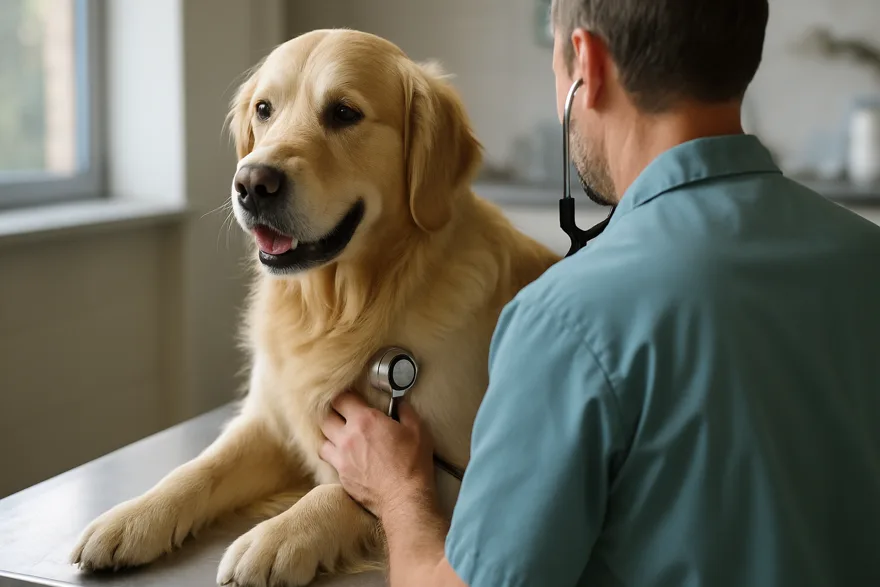
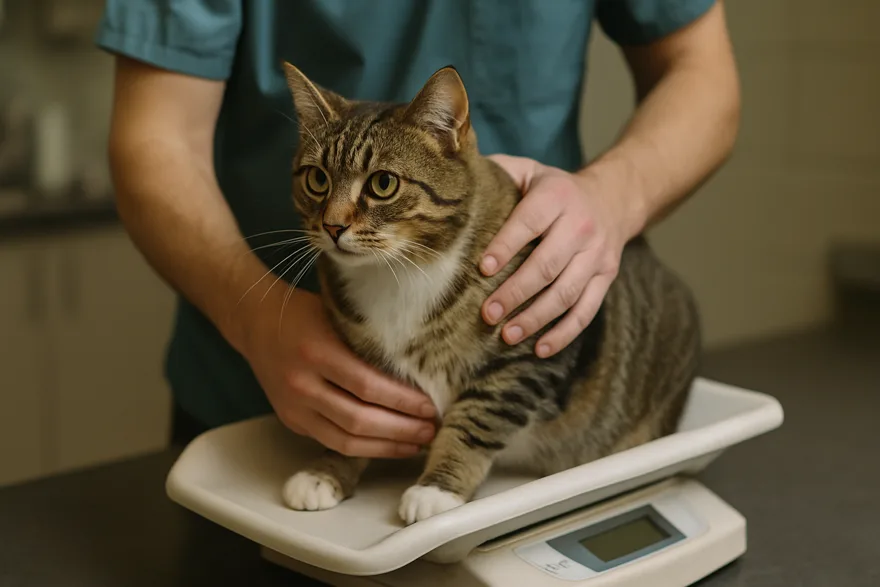
Dog owners in Highfield Park benchmark against a Canadian average of $1,176 a year (about $98 a month) for accident-and-illness coverage, with cats at $601 - premiums move with breed and age far more than with the town itself.
A single emergency surgery commonly bills $2,060-$5,600 in Canadian veterinary care, and vet costs have been rising faster than general inflation - the honest question for Highfield Park owners is whether that bill breaks the budget.
Highfield Park plus 12 surrounding communities within 40 km hold about 162,650 people - and every insurer and quote path on this page serves all of them online, so nobody is limited to a local agent's shelf.
Dogs cost roughly double cats to insure, breed moves the number more than postal code, and age moves it most of all. The honest comparison is same-pet, same-dials, different insurers - tax included where your province charges it.
The advertised price and the real price differ by three dials: reimbursement percentage, annual deductible and the annual cap. Every quote should be compared with all three visible - and this page's averages are Canadian industry data, not anyone's quote.


The Canadian numbers
| Coverage | Canadian average (industry data, CAD) | The catch to price in |
|---|---|---|
| Dog - accident & illness | $1,176/yr (about $98/mo) | Premiums climb with age; breed moves the number more than the town |
| Cat - accident & illness | $601/yr (about $50/mo) | Illness, not accidents, drives most cat claims |
| Typical plan structure | 70/80/90% reimbursement after a $0-$1,000 deductible | The annual cap is the quiet weak link in cheap policies |
| Waiting periods | accidents ~2-15 days; illness ~14 days; some conditions longer | A condition that appears during a wait counts as pre-existing |
| Provincial premium tax | 0-9%% retail tax depending on province | Ontario, Quebec, Saskatchewan and Manitoba add it right on the premium - see below |
Price a pet insurance quote both ways before deciding
An honest starting point: a free online quote you can complete in minutes, priced against a direct insurer worth quoting on identical terms. Quotes are free and do not affect your pet's record.
External links go to the providers' own sites and forms. This site may earn a referral fee at no cost to you - it never changes the data above. Premiums shown on this page are Canadian industry averages, not quotes.
What this means in Highfield Park
A pet policy is only as good as its exclusions are short. Compare the exclusion pages before the premium pages - the cheap policy with a six-month hip-and-knee wait can be the expensive one for a young shepherd.
This page is independent research, not insurance, veterinary or financial advice. Premiums shown are Canadian industry averages in CAD, not quotes; policy terms vary by insurer, pet and province. Verify current rules with your provincial regulator and read any policy's exclusions before buying.
Common questions
What are waiting periods and why do they matter?
The gap between buying a policy and coverage starting: commonly 2-15 days for accidents, about 14 days for illnesses, and up to 6 months for hip and knee conditions - though some insurers waive the orthopedic wait with a vet exam completed within the first 30 days. A condition that appears during a wait counts as pre-existing.
Can I insure an older pet in Canada?
Usually yes for accident-and-illness - but expect premiums well above the young-adult rate, and anything already diagnosed stays excluded as pre-existing. This is the strongest argument for enrolling young: you lock the pet in before the medical record fills up.
What is the most common pet insurance dispute?
Pre-existing condition determinations - insurers reviewing medical records at claim time and attributing a new problem to an old note. Protect yourself at enrollment: get a fresh vet exam, keep records, and where offered, ask the insurer for a written medical-history review upfront. If a denial seems wrong, escalate to your provincial regulator with the paper trail.
Is pet insurance worth it in Canada?
Canadians split honestly: in Angus Reid polling, 22% of insured owners called their coverage a lifesaver, 34% said it helped, and about 10% called it useless. Pet insurance is not an investment; it is protection against the $2,000-$5,600 bad year you could not otherwise absorb. If your savings could take that hit, self-insuring is rational too - only about 3.7% of Canadian pets are insured.
How much does pet insurance cost in Canada?
In 2025 industry data, accident-and-illness coverage averages CA$1,176 a year (about $98 a month) for dogs and CA$601 a year (about $50 a month) for cats. Accident-only plans run far less - roughly $251 a year for dogs and $212 for cats. Your quote moves with breed, age and reimbursement level - and in Ontario, Quebec, Saskatchewan and Manitoba, retail sales tax rides on top.
Price a pet insurance quote both ways before deciding
An honest starting point: a free online quote you can complete in minutes, priced against a direct insurer worth quoting on identical terms. Quotes are free and do not affect your pet's record.
External links go to the providers' own sites and forms. This site may earn a referral fee at no cost to you - it never changes the data above. Premiums shown on this page are Canadian industry averages, not quotes.
Prices in nearby cities
Howie Centre · Hubley · Imperoyal · Ingonish · Inverness · Kearney Lake · Kentville · Keystone Village · Kingston · Lake Echo · Lancaster Ridge · Lantz