Premiums climb, doors narrow - and what still works
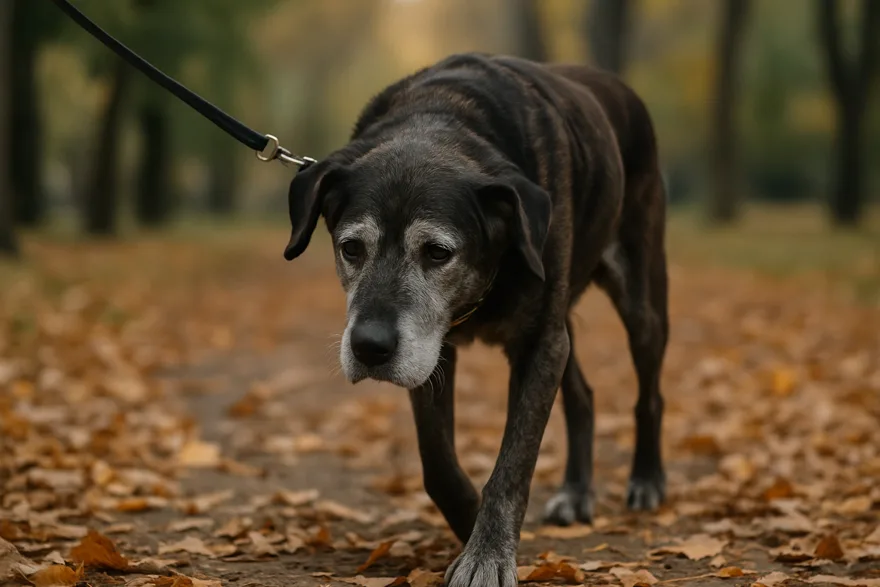
By the senior years premiums climb steeply and some insurers restrict new enrollment - while anything already diagnosed stays excluded. The options that remain for Betsiamites families are still worth pricing.
Dog owners in Betsiamites benchmark against a Canadian average of $1,176 a year (about $98 a month) for accident-and-illness coverage, with cats at $601 - premiums move with breed and age far more than with the town itself.
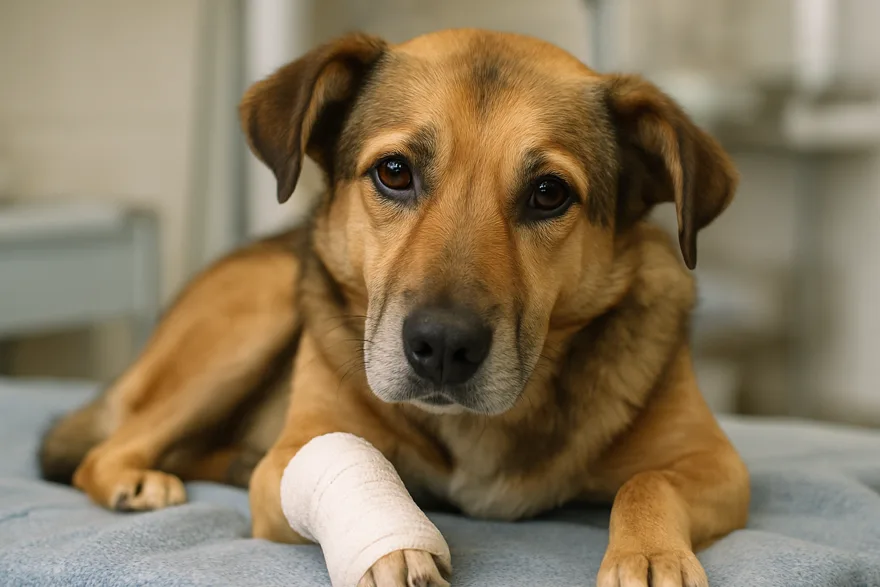
A single emergency surgery commonly bills $2,060-$5,600 in Canadian veterinary care, and vet costs have been rising faster than general inflation - the honest question for Betsiamites owners is whether that bill breaks the budget.
Betsiamites, Quebec has about 2,428 residents, and pet premiums there are priced by species, breed and age - dogs averaging $1,176 a year nationally - not by the town itself.
Insuring an older pet is a race against the medical record: premiums climb steeply with age and anything already diagnosed stays excluded. The options that remain are still worth pricing honestly.
For senior pets the honest comparison widens: a higher-deductible policy, accident-only coverage, or a dedicated savings account each fit different budgets - what matters is picking one before the next diagnosis.

The Canadian numbers
| Coverage | Canadian average (industry data, CAD) | The catch to price in |
|---|---|---|
| Dog - accident & illness | $1,176/yr (about $98/mo) | Premiums climb with age; breed moves the number more than the town |
| Cat - accident & illness | $601/yr (about $50/mo) | Illness, not accidents, drives most cat claims |
| Typical plan structure | 70/80/90% reimbursement after a $0-$1,000 deductible | The annual cap is the quiet weak link in cheap policies |
| Waiting periods | accidents ~2-15 days; illness ~14 days; some conditions longer | A condition that appears during a wait counts as pre-existing |
| Provincial premium tax | 0-9%% retail tax depending on province | Ontario, Quebec, Saskatchewan and Manitoba add it right on the premium - see below |
Note for Quebec readers: this is an English-language research site published outside Quebec and it does not offer services in Quebec - no referral links appear on Quebec pages. Insurance in Quebec is regulated by the AMF, and insurers must serve you in French.
For comparison only - no referral links on Quebec pages
Quebec pages carry no referral or partner links: the listing below is an unpaid editorial reference for comparison. Insurance in Quebec is regulated by the AMF, and insurers must serve Quebec clients in French.
No compensation is received for any link on Quebec pages.
What this means in Betsiamites
What costs pet owners the most is not the monthly premium - it is the waiting period nobody read: an injury in week one of a policy with a 14-day illness wait is simply not covered, and no appeal changes the calendar.
This page is independent research, not insurance, veterinary or financial advice. Premiums shown are Canadian industry averages in CAD, not quotes; policy terms vary by insurer, pet and province. Verify current rules with your provincial regulator and read any policy's exclusions before buying.
Common questions
Does sales tax apply to pet insurance premiums?
In four provinces, yes, right on the bill: Ontario adds 8% RST, Quebec about 9%, Saskatchewan 6% and Manitoba 7% on insurance premiums. The other provinces and territories add no retail sales tax to the premium (insurer-paid premium taxes are already baked into pricing everywhere). Always compare quotes tax-included.
What are waiting periods and why do they matter?
The gap between buying a policy and coverage starting: commonly 2-15 days for accidents, about 14 days for illnesses, and up to 6 months for hip and knee conditions - though some insurers waive the orthopedic wait with a vet exam completed within the first 30 days. A condition that appears during a wait counts as pre-existing.
What is the most common pet insurance dispute?
Pre-existing condition determinations - insurers reviewing medical records at claim time and attributing a new problem to an old note. Protect yourself at enrollment: get a fresh vet exam, keep records, and where offered, ask the insurer for a written medical-history review upfront. If a denial seems wrong, escalate to your provincial regulator with the paper trail.
How much does pet insurance cost in Canada?
In 2025 industry data, accident-and-illness coverage averages CA$1,176 a year (about $98 a month) for dogs and CA$601 a year (about $50 a month) for cats. Accident-only plans run far less - roughly $251 a year for dogs and $212 for cats. Your quote moves with breed, age and reimbursement level - and in Ontario, Quebec, Saskatchewan and Manitoba, retail sales tax rides on top.
Is pet insurance worth it in Canada?
Canadians split honestly: in Angus Reid polling, 22% of insured owners called their coverage a lifesaver, 34% said it helped, and about 10% called it useless. Pet insurance is not an investment; it is protection against the $2,000-$5,600 bad year you could not otherwise absorb. If your savings could take that hit, self-insuring is rational too - only about 3.7% of Canadian pets are insured.
For comparison only - no referral links on Quebec pages
Quebec pages carry no referral or partner links: the listing below is an unpaid editorial reference for comparison. Insurance in Quebec is regulated by the AMF, and insurers must serve Quebec clients in French.
No compensation is received for any link on Quebec pages.
Prices in nearby cities
Blainville · Bois-des-Filion · Boisbriand · Boischatel · Bonaventure · Boucherville · Breakeyville · Bromont · Brossard · Brownsburg-Chatham · Buckingham · Bécancour